Wednesday, May 31, 2023

The 5 Best Fruits to Help Improve Your Heart Health


The 5 Best Fruits to Help Improve Your Heart Health.

Heart health


According to a nutritionist and cardiac expert, eating more of these heart-healthy fruits can add years to your life.

It's no secret that fruit is healthy and nutritious. But did you know that eating fruit can also boost your heart health and increase your lifespan? Much research, including a 2019 study published in the journal Current Medicinal Chemistry, has revealed that a diet rich in fruits, among other foods, has strong cardiovascular protective effects. Translation? Eating fruit is good for your ticker and helps prevent heart disease—the No. 1 killer globally, per the World Health Organization.

To find out which heart-healthy fruits you should include more of in your diet, we chatted with Dana Ellis Hunnes, Ph.D., M.P.H., RD, a senior cardiac dietitian at the UCLA Medical Center and author of Recipe for Survivalwho shares five of her top picks. Keep reading to learn how these fruits can boost your heart health and help you live longer.

1. Blackberries.

Blackberries


Blackberries are a delicious fruit packed with nutrients critical to heart health. One such nutrient is anthocyanins—a group of deep red, blue and purple plant pigments. Anthocyanins are rich in powerful antioxidants that support cardiovascular health. In addition, a 2021 study published in Biomolecules found anthocyanins to be an "inexpensive, accessible and effective approach" to help prevent atherosclerosis (arterial plaque buildup) and reduce the risk of cardiovascular aging and disease.

One cup of blackberries provides more than one-third of your Daily Value for vitamin C and 5% of your daily potassium intake, per the USDA—two essential nutrients for cardiovascular health.

"Blackberries are high in fiber, antioxidants, polyphenols, flavonols and water, making them incredibly healthy for your heart and gastrointestinal tract due to their antioxidant and fiber content," says Ellis Hunnes. "Plus, they're low in calories, filling and anti-inflammatory."

2. Blueberries.


These tiny but mighty berries are jam-packed with nutrition, including heart-healthy properties. Daily blueberry consumption has been associated with improved cellular function of blood vessels to help control blood pressure and prevent blood clotting, per a 2019 review published in The Journals of Gerontology.

Blueberries are rich in soluble fiber, which improves cardiovascular health by reducing cholesterol and aiding your gut in eliminating bile, according to another study published in Nutrients in 2021. Per the USDA, 1 cup of blueberries delivers 4 grams (11% to 14% of your DV) of dietary fiber.

"Like blackberries, blueberries are rich in polyphenols, flavanols and phytonutrients (plant nutrients) that are anti-inflammatory and beneficial for heart health and the GI tract," says Ellis Hunnes.

3. Raspberries.


These beloved berries are fun to snack on (you may as well consider them nature's candy) and fantastic for cardiovascular well-being. For example, eating berries (like raspberries) has been associated with several cardiometabolic benefits, including reduced LDL cholesterol, improved blood pressure, healthy weight management and lower inflammation.

One cup of raspberries provides 8 grams of fiber, per the USDA. As detailed above, fiber is a vital nutrient for your cardiovascular health and function.

"Another berry similar to blackberries, raspberries have slightly different levels and types of phytonutrients as evidenced by their different colors," explains Ellis Hunnes. "Raspberries are great for the heart and gastrointestinal health since they're anti-inflammatory and high in fiber. Also, they're low in calories and contain plenty of water."

4. Papaya.


Papaya (affectionately called pawpaw) contains many heart-friendly nutrients like potassium and the antioxidant vitamins A and C. According to the USDA, 1 cup of papaya chunks provides nearly 100% of your DV for vitamin C and 8% of your DV for vitamin A.

Deficiencies in vitamins A and C have been associated with cardiovascular abnormalities where supplementation with these vitamins has been claimed to reduce the cardiovascular risk for heart disease, high blood pressure, atherosclerosis, heart attack and heart failure, per a review published in Frontiers in Physiology in 2021.

In addition, potassium-rich foods can boost heart health by dilating your blood vessels, allowing for more efficient blood circulation, per a 2020 study published in Food Science & Nutrition.

"Papaya is high in potassium, which can be good for blood pressure," says Ellis Hunnes. "Also, papaya contains digestive enzymes that can aid digestion and keep the GI tract healthy, which lowers inflammation and keeps you healthy."

5. Red Grapes.


The high polyphenol content of red grapes makes them another fantastic fruit for protecting heart health. The polyphenols found in grapes have been shown to benefit human health in treating cardiovascular diseases and diabetes by reducing oxidative stress, lowering blood pressure and decreasing inflammation, per a comprehensive review published in Molecules in 2021.

"High in antioxidants, polyphenols, flavanols, fiber and resveratrol, red grapes can help lower inflammation. They're also full of water, which helps with satiety," says Ellis Hunnes.


source: www.eatingwell.com

Monday, May 29, 2023

13 Best Foods for Kidney Health


13 Best Foods for Kidney Health.

Kidney artclip
Courtesy vectorportal.com 


Add these nutrient-rich foods to your diet for optimal kidney health.

Your kidneys play an important role in your overall health. However, they are often overlooked when we think of organs that keep us healthy. Think of your kidneys as filters that get rid of all the things you don't want in your body. These two bean-shaped organs filter your blood and remove toxins and excess fluids. Not only that, but they also keep your levels of potassium, sodium and more in check. At the same time, they produce hormones that help to regulate everything from your blood pressure to your bone strength. Long story short: Your kidneys do a lot. So much, in fact, that they can get overtaxed. Roughly one in seven American adults has chronic kidney disease, which can cause waste and fluid buildup in your body. Worse yet, most people with CKD don't know they have it.

Poor eating habits heighten your risk for CKD. But when you eat the best foods for your kidneys, the reverse can be true. Since certain foods are good for kidneys, what you eat can help to protect your kidney health.

Best foods for healthy kidneys.


These are our top picks for foods to add to your diet for optimal kidney health.

1. Fatty fish 

 Fish delivers protein, and when you choose a fatty fish like tuna, salmon or trout, you're also getting omega-3 fatty acids. According to the National Kidney Foundation, omega-3 fats may help reduce fat levels (triglycerides) in the blood and may also lower blood pressure. If you have CKD, you may need to keep an eye on the phosphorus and potassium levels of the fish you choose. The National Kidney Foundation has a chart you can use to determine levels in specific types of fish. Although, it's best to consult with your doctor. 

 2. Cabbage 

 This nutrient-dense vegetable is low in both potassium and sodium while packing in fiber, vitamins C and K and more. Plus, cabbage is versatile. You can use it in salads and slaws, but you can also use it as a wrap for tacos, sandwiches and more. 


3. Bell peppers 

 Like cabbage, bell peppers pack in lots of good nutrients with low levels of potassium. With them, you get vitamins B6, B9, C and K, plus fiber. And they deliver antioxidants, too. You can slice them and eat them with dips or roast them up and add them to dinner.

4. Cranberries 

 Cranberries help to prevent urinary tract infections. While these usually stay in your bladder, they can travel up to your kidney, making kidney problems worse. Fortunately, regularly consuming cranberries can help you avoid this unwelcome situation. Plus, cranberries have antioxidants that can help to fight inflammation, and they can boost your heart and digestive health. It turns out, these tart berries aren't just for the Thanksgiving table. 

 5. Blueberries 

 We've talked about some of the best foods for kidneys, but you can take it a step further. The question is: What foods help repair kidneys? Blueberries deliver here. With high levels of antioxidants and loads of vitamin C and fiber, blueberries are all-around healthy. They can also help to reduce inflammation and support bone health, reversing some of the issues that can come with CKD. 

 6. Dark, leafy greens 

 There are plenty of reasons to turn to dark, leafy greens like spinach or kale. They deliver so many nutrients that they can help you get key vitamins and minerals, plus immunity-boosting benefits. Be advised, though, that greens can come with a decent amount of potassium. If you have CKD, talk to your doctor before adding more of these to your diet.

 7. Olive oil

 Rich in antioxidants and healthy fatty acids, olive oil can boost your overall wellness. A study from Harvard University found that olive oil may lower cholesterol levels and the risk of cardiovascular disease, dementia and some types of cancer. Beyond all this, it can help you add flavor to dishes without turning to salt or butter. To get more antioxidants, choose unrefined or cold-pressed olive oil that's virgin or extra virgin.

8. Garlic 

 Another antioxidant-rich, inflammation-fighting food, garlic also contains a specific compound called allicin. For people with CKD, allicin -- an active compound found in garlic -- worked just as effectively to help protect kidney health as a prescription drug. If you're looking for the best foods for your kidneys, garlic has to make the list. Plus, it's an excellent way to add flavor even when you're skimping on salt. 

 9. Onions 

 From the same family as garlic, onions give you another excellent and salt-free way to add flavor (bonus points if you saute them in olive oil). Onions also deliver important nutrients like vitamins B6 and C, manganese and copper. They also contain quercetin, a chemical that can help your body fight cancer, and organic sulfur compounds that can reduce your risk of high blood pressure, stroke and heart disease. 

 10. Cauliflower 

 Cauliflower brings the crunch, paired with plenty of vitamins C, B6, B9 and K, along with fiber. It also contains compounds your body can use to neutralize certain toxins -- a big help when your kidneys aren't doing their best filtration work. Cauliflower does contain some potassium and phosphorus, though, so while it makes the list of foods good for kidneys, people with CKD may want to moderate their intake.

11. Egg whites 

 Egg whites are specifically recommended for people with kidney problems. They give you a way to increase your protein levels -- which can be important with later-stage CKD, especially if you're on dialysis. 

 12. Arugula 

 Arugula is packed with nutrients your body needs like magnesium, iron, calcium and vitamins A, B9, C and K. Plus, it's antioxidant-rich and has glucosinolates, which can help your body protect itself against a range of cancer types. You can eat arugula raw (it's a great salad base), but you can also sprinkle it over whatever you're whipping up. It's great on pizzas, in omelets and with pasta, for example. 

 13. Apples 

 Apples deliver the cancer-fighting quercetin and fiber that can help to keep your cholesterol and blood sugar at healthy levels. And they've got plenty of antioxidants. Better yet, they're easy to work into your diet. Leave a bowl of apples on your counter and you'll have a kidney-healthy grab-and-go snack whenever you need one.


The information contained in this article is for educational and informational purposes only and is not intended as health or medical advice. Always consult a physician or other qualified health provider regarding any questions you may have about a medical condition or health objectives.


source: www.CNET.com

Thursday, May 18, 2023

Using Fruits & Vegetables to Manage Your Weight


Using Fruits & Vegetables to Manage Your Weight.

body uses

Photo: Basket of fruits and vegetables

This doesn’t necessarily mean that you have to eat less food. You can create lower-calorie versions of some of your favorite dishes by substituting low-calorie fruits and vegetables in place of higher-calorie ingredients. The water and fiber in fruits and vegetables will add volume to your dishes, so you can eat the same amount of food with fewer calories. Most fruits and vegetables are naturally low in fat and calories and are filling.

Simple ways to cut calories and eat more fruits and vegetables throughout the day

Breakfast: Start the Day Right

  • Substitute spinach, onions, or mushrooms for one egg or half the cheese in your morning omelet. The vegetables will add volume and flavor to the dish with fewer calories than the egg or cheese.
  • Cut back on the amount of cereal in your bowl to make room for some cut-up bananas, peaches, or strawberries. You can still eat a full bowl, but with fewer calories.

Lighten Up Your Lunch

  • photo of peas

    Substitute vegetables such as lettuce, tomatoes, cucumbers, or onions for 2 ounces of the cheese and 2 ounces of the meat in your sandwich, wrap, or burrito. The new version will fill you up with fewer calories than the original.

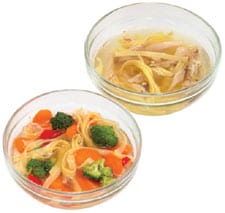
  • Replace 2 ounces of meat or 1 cup of noodles in broth-based soup with 1 cup of chopped vegetables, such as broccoli, carrots, beans, or red peppers. The vegetables will help fill you up, so you won’t miss those extra calories.
  • Dinner

    • Photo: Two soups

      Add in 1 cup of chopped vegetables such as broccoli, tomatoes, squash, onions, or peppers, while removing 1 cup of the rice or pasta in your favorite dish. The dish with the vegetables will be just as satisfying but have fewer calories than the same amount of the original version.

    • Take a good look at your dinner plate. Vegetables, fruit, and whole grains should take up the largest portion of your plate. If they do not, replace some of the meat, cheese, white pasta, or rice with legumes, steamed broccoli, asparagus, greens, or another favorite vegetable. This will reduce the total calories in your meal without reducing the amount of food you eat. BUT remember to use a normal- or small-size plate — not a platter. The total number of calories that you eat counts, even if a good proportion of them come from fruits and vegetables.

    Smart Snacks

    • Most healthy eating plans allow for one or two small snacks a day. Choosing most fruits and vegetables will allow you to eat a snack with only 100 calories.
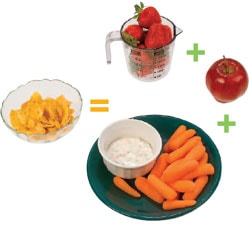
    • Instead of a high-calorie snack from a vending machine, bring some cut-up vegetables or fruit from home. A 1-ounce bag of corn chips has as many calories as a small apple, 1 cup of whole strawberries, AND 1 cup of carrots with 1/4 cup of low-calorie dip. Substitute one or two of these options for the chips, and you will have a satisfying snack with fewer calories.

      Remember: Substitution is the key.

      photo of fruits and vegetables

      It’s true that fruits and vegetables are lower in calories than many other foods, but they do contain some calories. If you start eating fruits and vegetables in addition to what you usually eat, you are adding calories and may gain weight. The key is substitution. Eat fruits and vegetables instead of some other higher-calorie food.

      More Tips for Making Fruits and Vegetables Part of Your Weight Management Plan

      Eat fruits and vegetables the way nature provided—or with fat-free or low-fat cooking techniques.
      Try steaming your vegetables, using low-calorie or low-fat dressings, and using herbs and spices to add flavor. Some cooking techniques, such as breading and frying, or using high-fat dressings or sauces will greatly increase the calories and fat in the dish. And eat your fruit raw to enjoy its natural sweetness.

      Canned or frozen fruits and vegetables are also good options.
      Frozen or canned fruits and vegetables can be just as nutritious as the fresh varieties. However, be careful to choose those without added sugar, syrup, cream sauces, or other ingredients that will add calories.

      Choose whole fruit over fruit drinks and juices. Fruit juices have lost fiber from the fruit.
      It is better to eat the whole fruit because it contains the added fiber that helps you feel full. One 6-ounce serving of orange juice has 85 calories, compared to just 65 calories in a medium orange.

      Whole fruit gives you a bigger size snack than the same fruit dried—for the same number of calories.
      A small box of raisins (1/4 cup) is about 100 calories. For the same number of calories, you can eat 1 cup of grapes.


source: www.cdc.org

Tuesday, November 1, 2016

Sore Throats Natural Cure.


Sore Throats

A sore throat refers to pain, itchiness, or irritation of the throat. You may have difficulty swallowing food and liquids, and the pain may get worse when you try to swallow. Throat pain is the primary symptom of a sore throat.

Causes sore throats:


Allergies, dry air, and outdoor pollution, as well as illnesses like the common cold, flu, measles, chickenpox, mononucleosis (mono), and the croup, can all cause sore throats. These illnesses are all viral infections that will not respond to antibiotics.
Bacterial infections are responsible for only a small percentage of sore throats, including those linked with strep throat, whooping cough, and diphtheria. Most doctors recommend calling a doctor only in cases of severe sore throat accompanied by a fever, or when swollen tonsils block the throat.


Wednesday, October 12, 2016

Foods that can treat kidney disease


Three foods that can treat kidney disease and boost renal function


Every year, more than 100,000 people in the United States are diagnosed with kidney disease, a serious, life-threatening condition in which the kidneys can no longer filter waste products from the blood.The National Kidney Foundation estimates that one in three American adults is currently at risk of developing kidney disease and those odds increase to one in two over the course of a lifetime.

The leading causes of poor kidney health are diabetes and high blood pressure, which in turn are caused by a poor diet and lifestyle. Therefore, the only real long-term solution to kidney disease is to drink more clean water, get more exercise and, most importantly, to reject processed and unhealthy foods in favor of natural whole foods. The foods listed below are proven to be particularly effective at boosting renal health

Asparagus


Asparagus was regarded as the perfect healing food for our urinary system for centuries in its native Europe and Asia, and we now understand why. This green spring vegetable is packed with natural compounds, including glycosides and saponins, that give it significant diuretic, anti-rheumatic and blood purifying qualities. Consequently, the regular consumption of asparagus is known to increase urine production, soothe the urinary system, boost cellular action in the kidneys and even dissolve the acids and salts that comprise kidney stones.

Moreover, a study published in the Journal of Agricultural and Food Chemistry in June 2013 found that a compound present in asparagus, 2"-hydroxynicotianamine, could inhibit angiotensin-converting enzyme activity in the kidneys, thus "preventing hypertension and preserving renal function."

Garlic


Garlic has long been considered one of nature's greatest disease fighters due to its impressive concentrations of the sulfur compound allicin. A proven antibacterial, antimicrobial, antiviral, antifungal and antioxidant, allicin is well-known for treating two of the main conditions that cause kidney disease, namely diabetes and high blood pressure. However, several studies have shown that this pungent and aromatic herb could be even better for our kidneys than previously thought.

One study published in Pharmacological Reports in 2008 discovered that garlic could significantly reduce kidney damage associated with mercury chloride exposure in laboratory animals (mercury chloride is a potential carcinogen used in disinfectants, batteries, insecticides and many other products to which humans are regularly exposed).Another study, published in Food and Chemical Toxicology in 2001, found that garlic in low doses could enhance the antioxidant status of the kidneys, thus protecting them from the cell-damaging effects of free radicals.

Watermelon


There are three reasons why watermelons are good for treating kidney disease. Firstly, they are low in potassium and phosphorus, which are two minerals that dysfunctional kidneys can have problems balancing. Secondly, they are comprised of approximately 92 percent alkaline water, which helps flush the urinary system of accumulated toxins (watermelon fasts can even dissolve kidney stones). Lastly, they help the liver to process ammonia and deliver it to urea, thus easing the strain on the kidneys while ridding the body of excess fluids.

Unlike asparagus and garlic, watermelon is high in natural sugars. For this reason, people with diabetes-sourced kidney disease should be careful not to consume too much of it on a regular basis.


source: www.naturalnews.com

Monday, July 25, 2016

Personality Change May Be Early Sign of Dementia


Personality Change May Be Early Sign of Dementia, Experts Say

A brain scan shows amyloid plaques in the tissue of a patient who died of Alzheimer’s disease. Credit Yankner Laboratory, Havard University

“Has the person become agitated, aggressive, irritable, or temperamental?” the questionnaire asks. “Does she/he have unrealistic beliefs about her/his power, wealth or skills?”

Or maybe another kind of personality change has happened: “Does she/he no longer care about anything?”

If the answer is yes to one of these questions — or others on a new checklist — and the personality or behavior change has lasted for months, it could indicate a very early stage of dementia, according to a group of neuropsychiatrists and Alzheimer’s experts.

Sunday, July 10, 2016

Pasta not a factor in obesity


New study says pasta not a factor in obesity

Pasta
Angry Shrimp Pasta


Last week on Facebook and in my Twitter feed, there were plenty of posts about a new study saying that eating pasta doesn’t make you fat. Some posts touted that it may even keep you lean.

Pasta is one of the true comfort foods. And it’s often one of the first foods to cut out if you’re dieting or trying to reduce carbs.

The study released Monday in the Nutrition & Diabetes journal followed 23,000 people and was, of course, conducted in the land of pasta: Italy.

“We have seen that consumption of pasta, contrary to what many think, is not associated with an increase in body weight,” George Pounis, an author of the study, said in a news release. “On the contrary: our data show that eating pasta results in a healthier body mass index, lower waist circumference and (better) waist-hip ratio.”

But before you go and grab a big bowl of pasta drenched in a fat-ladened al fredo sauce, the study found that pasta only was associated with a lower BMI (Body Mass Index). It didn’t say it can completely lower BMI. And the thrust of the study pointed to pasta being consumed as part of a Mediterranean-style diet.

More of a lifestyle than a diet, the Mediterranean-style of eating is one that is rich in fruits, olive oil, vegetables, whole grains and fish. In the U.S., pasta has long been associated as being off-limits in certain diets because of its calories and carbohydrates, especially low-carb, high protein diets.

The study found that there was a positive relationship between pasta and foods associated with Mediterranean diet. The conclusion? “As a traditional component of the Mediterranean Diet, pasta consumption was negatively associated with BMI, waist circumference and waist-to-hip ratio and with a lower prevalence of overweight and obesity,” the I.R.C.C.S Istituto Neurologico Mediterraneo Neuromed study said.

Today’s dish Angry Shrimp Pasta fits in with the study in several ways.

The first, of course, is the pasta. You can use any long strand pasta you like. And the shrimp is a lean source of protein. Shrimp is easy and takes mere minutes to cook.

There’s also plenty of olive oil in this dish. The olive oil becomes the base of a sauce that gets stretched out with a little help from the pasta cooking water.
This dish has a good kick to it from the crushed red pepper flakes. If you think you might be sensitive to it, start out with just 1 teaspoon. You can add more at the end of cooking.


source: www.freep.com

Wednesday, July 6, 2016

Natural Treatments for Crohn's Disease


Natural Treatments for Crohn's Disease.


The first line of treatment for Crohn’s is typically medication, but more patients are also seeking natural treatments to ease their symptoms. Natural treatments are sometimes also called alternative, complementary, or integrative medicine.

While all three terms generally refer to a treatment outside of typical mainstream medicine, they actually refer to different things.


  • Alternative medicine means you’re using a nonmainstream, nontraditional approach to treat an illness rather than a conventional, evidence-based medicine.
  • Complementary medicine means you’re using a nonmainstream approach along with conventional therapy.
  • Integrative medicine means you’re using a nonmainstream treatment and a conventional treatment in a complementary way.
Here are six natural treatments for Crohn’s disease.

Probiotics

Your gastrointestinal tract contains “good” bacteria, which help with digestion and offer protection against “bad” bacteria. If you’ve taken antibiotics or have an illness, you may not have a sufficient supply of the good bacteria.

Probiotics are living microorganisms that you can consume. They are found in certain foods or you can take probiotic supplements. They act very much like the good bacteria in your gut. Probiotics may be more or less beneficial depending on the location and stage of your disease. Some strains might work for one person but not others.

Although yogurt is one of the most common sources of probiotics, many people with Crohn’s disease are sensitive to dairy products. Other foods that contain probiotics include:


  • sauerkraut
  • kimchi
  • kefir
  • kombucha

If you decide to try probiotics, talk to your doctor first.

Prebiotics

Prebiotics are nondigestible carbohydrates found in things like:


  • artichokes
  • honey
  • whole grains
  • bananas
  • onions
  • garlic

Prebiotics are food for probiotics and for intestinal bacteria. Adding prebiotics to your diet might improve the function of your normal intestinal bacteria. Using prebiotics along with probiotics might make the probiotics more effective.

Fish Oil

Fish oil has long been used to promote cholesterol health, but its also been suggested that it has benefits for Crohn’s patients. Omega-3 fatty acids, found in fish oil, may have anti-inflammatory properties and may help reduce Crohn’s symptoms. One study found that patients taking fish oil were twice as likely to remain in remission as those who took a placebo.

Talk to your doctor before starting fish oil supplementation. Taking high doses of fish oil, or taking it in combination with blood thinning medication, may lead to bleeding problems.

Acupuncture

Acupuncture is an ancient practice that uses thin needles inserted into specific points on your body. It’s believed that this stimulates your brain to release endorphins. Endorphins are chemicals that block pain. They may also strengthen your immune system and help fight infection.

Biofeedback

Biofeedback is a form of relaxation therapy. With the help of a machine, you’re able to see how your body responds to pain. You can also learn how to control your responses to:

body temperature
perspiration level
blood flow
brain waves
Overtime, you can learn to manage your muscle contractions and pain.

Herbal and Botanical Treatments

There are some herbal and botanical treatments that may help ease the symptoms of Crohn’s disease. These include:


  • aloe vera juice
  • slippery elm bark
  • chamomile
  • peppermint

Talk to you doctor before trying any herbal or botanical treatments. Some can interact dangerously with medications you might be taking. They may also have undesirable side effects.

Outlook

As always, it’s a good idea to talk to your doctor about any other therapies you’re considering. Some therapies may work well in conjunction with the medical treatments you currently use. Others may interact dangerously with your medical treatments.


Article source

Friday, July 1, 2016

Foods for Diabetes


Foods for Diabetes.


The best foods for diabetes are most often whole foods that are not processed, such as fruits and vegetables. Including these extra-healthy power foods in your diet will help you meet your nutritional needs as well as lower your risk of diabetes complications such as heart disease. Of course, the foods on this list shouldn't be the only foods you eat, but incorporating some or all into your diabetes meal plan will help improve your overall health.

 Apples 

Apples

 An apple a day keeps the doctor away -- specifically the cardiologist. A 2012 study at Ohio State University published in the Journal of Functional Foods found that eating just one apple a day for four weeks lowered LDL (bad) cholesterol by 40 percent. The professor leading the study explained that not all antioxidants are created equal, and that a particular type of antioxidant in apples had a profound effect on lowering LDLs, a contributor to heart disease. The study was funded in part by a grant from the U.S. Apple Association, among other supporters. More reasons why apples are good for a diabetes diet. This crunchy fruit also appears to offer protection against diabetes. The Harvard School of Public Health examined the diets of 200,000 people and found that those who reported eating five or more apples a week had a 23 percent lower risk of developing type 2 diabetes compared with subjects who did not eat any apples. More good news: A medium-size apple contains 3 grams of fiber, which includes both soluble and insoluble fiber. How 'bout them apples? Do remember, however, that one small apple has about 15 grams of carb. Some of the large apples in the grocery store are equivalent to two servings of fruit.

Asparagus 

                                 Asparagus 


 Based on taste alone, asparagus is a favorite food for many. But you'll really love that it's a nonstarchy vegetable with only 5 grams of carb, 20 calories, and almost 2 grams of dietary fiber per serving. It's especially high in an antioxidant called glutathione, which plays a key role in easing the effects of aging and many diseases, including diabetes, heart disease, and cancer.One example is the preliminary research reported in 2012 in the British Journal of Nutrition, which suggests that asparagus can help keep blood sugar levels in check and increase insulin production. Another plus for asparagus is its folate content -- a 1/2-cup serving, or about six 1/2-inch spears, provides 33 percent of the 400 micrograms of folate recommended daily. The American Heart Association advises eating foods containing folate and other B vitamins to help lower homocysteine levels, a risk factor for coronary heart disease.


Beans 

Beans

 There may just be something to that old line, "Beans, beans, the magical fruit." Of course, you probably know that beans are high in fiber and a good source of protein, but now there are even more reasons to include them in a diabetic diet. In a 2012 study, researchers found that eating about a cup of legumes daily resulted in better blood sugar control (for both blood glucose and A1C) and lower blood pressure.Further, consuming more fiber may lower the risk of a first-time stroke, according to the American Heart Association (AHA) journal Stroke. The researchers concluded that every 7-gram increase in total dietary fiber was associated with a 7 percent lower risk of a first-time stroke. The AHA recommends getting at least 25 grams of dietary fiber daily. A 1/2-cup serving of cooked navy beans has more than 9 grams of fiber and counts as one starch and one lean meat. Other delicious varieties of beans include black, kidney, garbanzo, white, lima, and pinto. You can cook dry beans or use canned beans, but remember to look for low-sodium versions. Try using beans as your main protein source a couple of times a week plain, in salads, in soups, or as a substitute for ground beef in Mexican dishes, such as bean tacos or burritos. Beans are good for your wallet, too -- they are about the cheapest protein source around.

Broccoli 

Broccoli

 This nonstarchy vegetable makes just about every superfood list, and it's easy to see why. For starters, it has more vitamin C per 100 grams than an orange, plus it's high in the antioxidant beta-carotene, which the body uses to make vitamin A. This dark green vegetable's vitamin A power promotes healthy vision, teeth, bones, and skin. It is also rich in folate and fiber, all with minimal calories and carbs.Broccoli is a member of the cruciferous vegetable family, which includes other veggies such as Brussels sprouts, cabbage, cauliflower, and bok choy. What makes this class of veggies unique is the high levels of sulfur-containing compounds known as glucosinolates. Perhaps better known for their potential anticancer effects, these compounds may also have a role in reducing heart disease risk and heart-related deaths. In a study reported in The American Journal of Clinical Nutrition in 2011, researchers found that cruciferous vegetable consumption was associated with a reduced risk of death from heart disease. Their recommendation: "Increase consumption of vegetables, particularly cruciferous vegetables and fruit, to promote cardiovascular healthy and overall longevity." One serving of broccoli is 1 cup raw or 1/2 cup cooked. You can enjoy it raw with hummus or a low-calorie dressing, or use it chopped in eggs, pizzas, pastas, salads, and stir-fries. The key to great-tasting cooked broccoli: Don't overcook it. The stem portion should be barely tender, and the broccoli should be bright green.

Carrots

 
Carrots

 Cooked or raw, carrots are a healthy addition to any meal plan. While cooked carrots have the rich texture of starchy vegetables, such as potatoes, they are classified as nonstarchy veggies because they don't contain a lot of carbohydrate. A 1-cup serving of raw carrots has about 5 grams of carb, as does a 1/2-cup cooked serving. According to the American Diabetes Association, five baby carrots are considered a "free food" and do not need to be counted in a meal plan. Carrots are noted for their high vitamin A, made from the antioxidant beta-carotene in carrots. This vitamin is necessary for good vision and immune function, and it may help prevent the development of some cancers, according to the Mayo Clinic. There are now even more good reasons to eat your carrots: According to a study reported in 2013 from the Stanford University School of Medicine, beta-carotene may even help lower the risk of developing type 2 diabetes among people who have a genetic predisposition for the disease. Enjoy raw carrots with a low-calorie dip or salad dressing; shred them for salads; finely chop them and add to soup, chili, or spaghetti sauce; or roast them in the oven. Pureed cooked carrots also make satisfying soups.

Melon 

Melons

When you're craving something sweet, make tracks to the melon aisle, where you'll find many varieties including watermelon, cantaloupe, muskmelon, honeydew, casaba, crenshaw, Persian, and pepino. While all of these are bursting with healthy nutrients, the most common types contain some unique properties: Watermelon: Like tomatoes, watermelon is a good source of the antioxidant lycopene, which may help protect against some cancers and cell damage associated with heart disease. The American Heart Association has certified fresh watermelon for its Heart-Check program as being low in saturated fat and cholesterol. When selecting watermelon, look for ones without bruises or dents. Store whole melons at room temperature for up to 10 days. One serving is 1-1/4 cups cubed.Honeydew: A 1-cup serving of honeydew contains 51 percent of the daily value for vitamin C, and like other melons, it gives you a sense of fullness without a lot of calories. Select melons that feel heavy, have a slight fragrant scent, and don't have bruises or soft spots Cantaloupe: This succulent melon gives you a double-whammy: Cantaloupe is an excellent source of both vitamins C and A. Vitamin A supports good eye health, because it helps prevent macular degeneration and improves night vision, according to the American Diabetes Association. Look for cantaloupes that have well-defined netting, feel heavy, and have a strong odor. One serving is 1 cup cubed.

Nuts 

Nuts

 In a nutshell, nuts are one of the healthiest food choices you can make. According to the Mayo Clinic, most nuts contain at least one or more of these heart-healthy substances: unsaturated fats, omega-3 fatty acids, fiber, vitamin E, plant sterols, and L-arginine, which makes artery walls more flexible and less prone to blood clots.There is also increasing evidence that nuts can improve blood sugar control in type 2 diabetes. In a Canadian study published in Diabetes Care in 2011, researchers found people with type 2 diabetes who ate 2 ounces of mixed nuts daily saw a decrease in blood sugar levels and LDL (bad) cholesterol. The study was funded in part by the International Tree Nut Council Nutrition Research Foundation and the Almond Board of California, among other supporters. Because they don't require refrigeration and are highly portable, nuts are a great snack choice. One caution: Because nuts are high in calories, it's best to portion them before eating, rather than eating them out of a bag or can. Serving sizes: • Almonds, cashews, or mixed nuts 6 nuts • Peanuts 10 nuts • Pecans 4 halves • Hazelnuts 5 nuts • Pistachios 12 nuts Nut butters, such as peanut butter and almond butter, are other ways to enjoy nuts' health benefits. The serving size is 1 tablespoon, which also works as a meat/protein replacement. Avoid salted, sugared, honeyed, or chocolate-covered varieties, because they add calories, carbs, and salt.

Red Grapefruit

Red Grapefruit


Sweet, juicy, and delicious, ruby red grapefruit packs more antioxidant power and more health benefits than white grapefruit. In a 30-day test of 57 people with heart disease, those who ate one red grapefruit daily decreased their LDL (bad) cholesterol by 20 percent and triglycerides by 17 percent. In contrast, those who ate a white grapefruit reduced LDL by 10 percent with no significant change in triglycerides compared with a group who didn't eat the fruit.Grapefruit also seems to help improve HDL (good) cholesterol levels. In a recent study, individuals who consumed fresh grapefruit or grapefruit juice before meals had a 6-8 percent increase in HDL (good) cholesterol compared with the control group, which drank water before meals. Grapefruit juice has also been shown to help lower blood pressure in people with both normal and high blood pressure. This vitamin-C-rich fruit contains soluble fiber and also makes the American Diabetes Association's list of superfoods. Enjoy it plain and in salads and salsas. One cautionary note: Grapefruit can interact with certain drugs, including statin and antiarrhythmic medications, so check with your health care professional before consuming the fruit. Half of a large grapefruit, or 3/4 cup of sections, counts as one serving.

Tomatoes

Tomatoes

 Tomatoes are an excellent source of vitamins C and A, plus they are rich in lycopene, a powerful antioxidant. You've probably heard that lycopene-rich tomato products might help protect against certain cancers, particularly prostate cancer. The new news is that increased intake of lycopene is also associated with a significantly decreased risk for heart disease, according to a 2013 report from researchers at Tufts University.It is easier for your body to absorb lycopene from cooked and processed tomatoes, such as tomato juice, than from fresh tomatoes. Also, canned products such as tomato paste, tomato sauce, and pasta sauce have approximately seven times more lycopene than raw tomatoes. Adding a bit of oil while sauteing or cooking tomatoes can aid lycopene absorption, according to Health Gourmet: Eat to Beat Diabetes (McGraw-Hill, 2006). Tomatoes have also been shown to combat inflammation due to nutrients such as carotenoids and bioflavonoids -- that can help to lower the risk or heart disease, which causes a third of all deaths in the United States. While cooked tomatoes and tomato products contain more lycopene, raw tomatoes are still an excellent choice and loaded with vitamins and minerals. They are classified as nonstarchy vegetables, while pasta and spaghetti sauces are classified as starchy vegetables. "Unfortunately, many canned tomato products are high in salt. Now low-sodium versions of these products are available. You'll find these low-sodium tomato products substitute beautifully in your recipes and cut your salt intake significantly," says Connie Crawley, RD, LD, Nutrition and Health Specialist at the University of Georgia Extension Service.


source: www.diabeticlivingonline.com