Foods for Diabetes.
The best foods for diabetes are most often whole foods that are not processed, such as fruits and vegetables. Including these extra-healthy power foods in your diet will help you meet your nutritional needs as well as lower your risk of diabetes complications such as heart disease. Of course, the foods on this list shouldn't be the only foods you eat, but incorporating some or all into your diabetes meal plan will help improve your overall health.
Apples
 |
| Apples |
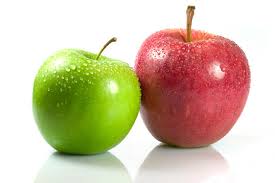
An apple a day keeps the doctor away -- specifically the cardiologist. A 2012 study at Ohio State University published in the Journal of Functional Foods found that eating just one apple a day for four weeks lowered LDL (bad) cholesterol by 40 percent. The professor leading the study explained that not all antioxidants are created equal, and that a particular type of antioxidant in apples had a profound effect on lowering LDLs, a contributor to heart disease. The study was funded in part by a grant from the U.S. Apple Association, among other supporters.
More reasons why apples are good for a diabetes diet.
This crunchy fruit also appears to offer protection against diabetes. The Harvard School of Public Health examined the diets of 200,000 people and found that those who reported eating five or more apples a week had a 23 percent lower risk of developing type 2 diabetes compared with subjects who did not eat any apples.
More good news: A medium-size apple contains 3 grams of fiber, which includes both soluble and insoluble fiber. How 'bout them apples?
Do remember, however, that one small apple has about 15 grams of carb. Some of the large apples in the grocery store are equivalent to two servings of fruit.
Asparagus
 |
Asparagus
|
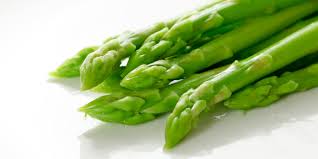
Based on taste alone, asparagus is a favorite food for many. But you'll really love that it's a nonstarchy vegetable with only 5 grams of carb, 20 calories, and almost 2 grams of dietary fiber per serving. It's especially high in an antioxidant called glutathione, which plays a key role in easing the effects of aging and many diseases, including diabetes, heart disease, and cancer.One example is the preliminary research reported in 2012 in the British Journal of Nutrition, which suggests that asparagus can help keep blood sugar levels in check and increase insulin production.
Another plus for asparagus is its folate content -- a 1/2-cup serving, or about six 1/2-inch spears, provides 33 percent of the 400 micrograms of folate recommended daily. The American Heart Association advises eating foods containing folate and other B vitamins to help lower homocysteine levels, a risk factor for coronary heart disease.
Beans
 |
| Beans |
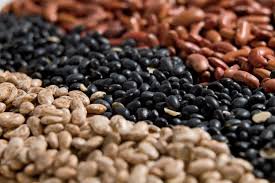
There may just be something to that old line, "Beans, beans, the magical fruit." Of course, you probably know that beans are high in fiber and a good source of protein, but now there are even more reasons to include them in a diabetic diet. In a 2012 study, researchers found that eating about a cup of legumes daily resulted in better blood sugar control (for both blood glucose and A1C) and lower blood pressure.Further, consuming more fiber may lower the risk of a first-time stroke, according to the American Heart Association (AHA) journal Stroke. The researchers concluded that every 7-gram increase in total dietary fiber was associated with a 7 percent lower risk of a first-time stroke.
The AHA recommends getting at least 25 grams of dietary fiber daily. A 1/2-cup serving of cooked navy beans has more than 9 grams of fiber and counts as one starch and one lean meat.
Other delicious varieties of beans include black, kidney, garbanzo, white, lima, and pinto. You can cook dry beans or use canned beans, but remember to look for low-sodium versions.
Try using beans as your main protein source a couple of times a week plain, in salads, in soups, or as a substitute for ground beef in Mexican dishes, such as bean tacos or burritos. Beans are good for your wallet, too -- they are about the cheapest protein source around.
Broccoli
 |
| Broccoli |
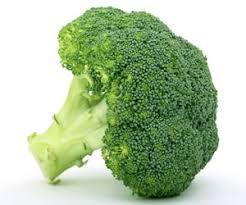
This nonstarchy vegetable makes just about every superfood list, and it's easy to see why. For starters, it has more vitamin C per 100 grams than an orange, plus it's high in the antioxidant beta-carotene, which the body uses to make vitamin A. This dark green vegetable's vitamin A power promotes healthy vision, teeth, bones, and skin. It is also rich in folate and fiber, all with minimal calories and carbs.Broccoli is a member of the cruciferous vegetable family, which includes other veggies such as Brussels sprouts, cabbage, cauliflower, and bok choy. What makes this class of veggies unique is the high levels of sulfur-containing compounds known as glucosinolates. Perhaps better known for their potential anticancer effects, these compounds may also have a role in reducing heart disease risk and heart-related deaths. In a study reported in The American Journal of Clinical Nutrition in 2011, researchers found that cruciferous vegetable consumption was associated with a reduced risk of death from heart disease. Their recommendation: "Increase consumption of vegetables, particularly cruciferous vegetables and fruit, to promote cardiovascular healthy and overall longevity."
One serving of broccoli is 1 cup raw or 1/2 cup cooked. You can enjoy it raw with hummus or a low-calorie dressing, or use it chopped in eggs, pizzas, pastas, salads, and stir-fries. The key to great-tasting cooked broccoli: Don't overcook it. The stem portion should be barely tender, and the broccoli should be bright green.
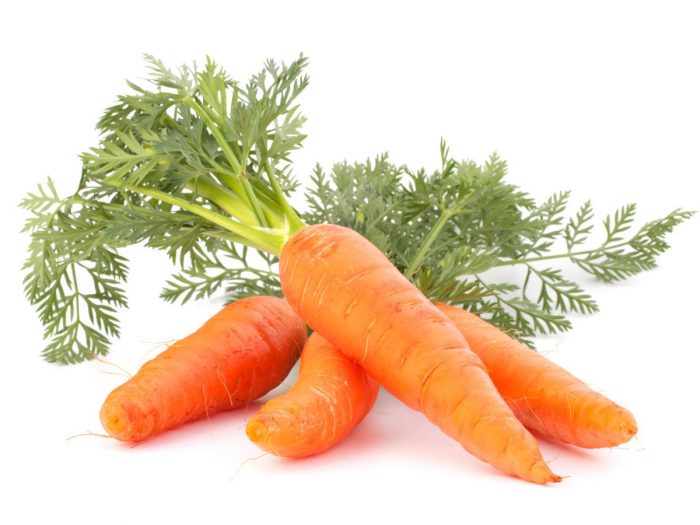
Carrots
 |
| Carrots |
Cooked or raw, carrots are a healthy addition to any meal plan. While cooked carrots have the rich texture of starchy vegetables, such as potatoes, they are classified as nonstarchy veggies because they don't contain a lot of carbohydrate. A 1-cup serving of raw carrots has about 5 grams of carb, as does a 1/2-cup cooked serving. According to the American Diabetes Association, five baby carrots are considered a "free food" and do not need to be counted in a meal plan.
Carrots are noted for their high vitamin A, made from the antioxidant beta-carotene in carrots. This vitamin is necessary for good vision and immune function, and it may help prevent the development of some cancers, according to the Mayo Clinic.
There are now even more good reasons to eat your carrots: According to a study reported in 2013 from the Stanford University School of Medicine, beta-carotene may even help lower the risk of developing type 2 diabetes among people who have a genetic predisposition for the disease.
Enjoy raw carrots with a low-calorie dip or salad dressing; shred them for salads; finely chop them and add to soup, chili, or spaghetti sauce; or roast them in the oven. Pureed cooked carrots also make satisfying soups.
Melon
 |
| Melons |
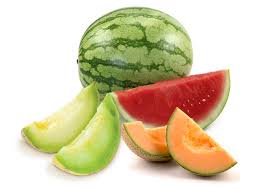
When you're craving something sweet, make tracks to the melon aisle, where you'll find many varieties including watermelon, cantaloupe, muskmelon, honeydew, casaba, crenshaw, Persian, and pepino. While all of these are bursting with healthy nutrients, the most common types contain some unique properties:
Watermelon: Like tomatoes, watermelon is a good source of the antioxidant lycopene, which may help protect against some cancers and cell damage associated with heart disease. The American Heart Association has certified fresh watermelon for its Heart-Check program as being low in saturated fat and cholesterol. When selecting watermelon, look for ones without bruises or dents. Store whole melons at room temperature for up to 10 days. One serving is 1-1/4 cups cubed.Honeydew: A 1-cup serving of honeydew contains 51 percent of the daily value for vitamin C, and like other melons, it gives you a sense of fullness without a lot of calories. Select melons that feel heavy, have a slight fragrant scent, and don't have bruises or soft spots
Cantaloupe: This succulent melon gives you a double-whammy: Cantaloupe is an excellent source of both vitamins C and A. Vitamin A supports good eye health, because it helps prevent macular degeneration and improves night vision, according to the American Diabetes Association. Look for cantaloupes that have well-defined netting, feel heavy, and have a strong odor. One serving is 1 cup cubed.
Nuts
 |
| Nuts |
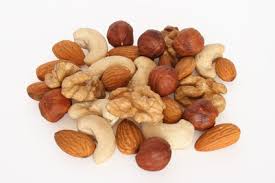
In a nutshell, nuts are one of the healthiest food choices you can make. According to the Mayo Clinic, most nuts contain at least one or more of these heart-healthy substances: unsaturated fats, omega-3 fatty acids, fiber, vitamin E, plant sterols, and L-arginine, which makes artery walls more flexible and less prone to blood clots.There is also increasing evidence that nuts can improve blood sugar control in type 2 diabetes. In a Canadian study published in Diabetes Care in 2011, researchers found people with type 2 diabetes who ate 2 ounces of mixed nuts daily saw a decrease in blood sugar levels and LDL (bad) cholesterol. The study was funded in part by the International Tree Nut Council Nutrition Research Foundation and the Almond Board of California, among other supporters.
Because they don't require refrigeration and are highly portable, nuts are a great snack choice. One caution: Because nuts are high in calories, it's best to portion them before eating, rather than eating them out of a bag or can. Serving sizes:
• Almonds, cashews, or mixed nuts 6 nuts
• Peanuts 10 nuts
• Pecans 4 halves
• Hazelnuts 5 nuts
• Pistachios 12 nuts
Nut butters, such as peanut butter and almond butter, are other ways to enjoy nuts' health benefits. The serving size is 1 tablespoon, which also works as a meat/protein replacement.
Avoid salted, sugared, honeyed, or chocolate-covered varieties, because they add calories, carbs, and salt.
Red Grapefruit
 |
| Red Grapefruit |
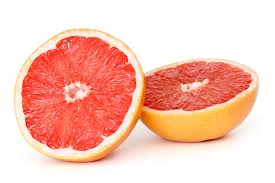
Sweet, juicy, and delicious, ruby red grapefruit packs more antioxidant power and more health benefits than white grapefruit. In a 30-day test of 57 people with heart disease, those who ate one red grapefruit daily decreased their LDL (bad) cholesterol by 20 percent and triglycerides by 17 percent. In contrast, those who ate a white grapefruit reduced LDL by 10 percent with no significant change in triglycerides compared with a group who didn't eat the fruit.Grapefruit also seems to help improve HDL (good) cholesterol levels. In a recent study, individuals who consumed fresh grapefruit or grapefruit juice before meals had a 6-8 percent increase in HDL (good) cholesterol compared with the control group, which drank water before meals. Grapefruit juice has also been shown to help lower blood pressure in people with both normal and high blood pressure.
This vitamin-C-rich fruit contains soluble fiber and also makes the American Diabetes Association's list of superfoods. Enjoy it plain and in salads and salsas.
One cautionary note: Grapefruit can interact with certain drugs, including statin and antiarrhythmic medications, so check with your health care professional before consuming the fruit.
Half of a large grapefruit, or 3/4 cup of sections, counts as one serving.
Tomatoes
 |
| Tomatoes |
Tomatoes are an excellent source of vitamins C and A, plus they are rich in lycopene, a powerful antioxidant. You've probably heard that lycopene-rich tomato products might help protect against certain cancers, particularly prostate cancer. The new news is that increased intake of lycopene is also associated with a significantly decreased risk for heart disease, according to a 2013 report from researchers at Tufts University.It is easier for your body to absorb lycopene from cooked and processed tomatoes, such as tomato juice, than from fresh tomatoes. Also, canned products such as tomato paste, tomato sauce, and pasta sauce have approximately seven times more lycopene than raw tomatoes. Adding a bit of oil while sauteing or cooking tomatoes can aid lycopene absorption, according to Health Gourmet: Eat to Beat Diabetes (McGraw-Hill, 2006).
Tomatoes have also been shown to combat inflammation due to nutrients such as carotenoids and bioflavonoids -- that can help to lower the risk or heart disease, which causes a third of all deaths in the United States.
While cooked tomatoes and tomato products contain more lycopene, raw tomatoes are still an excellent choice and loaded with vitamins and minerals. They are classified as nonstarchy vegetables, while pasta and spaghetti sauces are classified as starchy vegetables. "Unfortunately, many canned tomato products are high in salt. Now low-sodium versions of these products are available. You'll find these low-sodium tomato products substitute beautifully in your recipes and cut your salt intake significantly," says Connie Crawley, RD, LD, Nutrition and Health Specialist at the University of Georgia Extension Service.
source: www.diabeticlivingonline.com


 doesn’t make you fat. Some posts touted that it may even keep you lean.
 is one of the true comfort foods. And it’s often one of the first foods to cut out if you’re dieting or trying to reduce carbs.
 &
&  journal followed 23,000 people and was, of course, conducted in the land of
  : Italy.
 of eating is one that is rich in fruits, olive oil, vegetables, whole grains and fish. In the U.S., pasta has long been associated as being off-limits in certain diets because of its calories and carbohydrates, especially low-carb,
  .
. in this dish. The
  becomes the base of a sauce that gets stretched out with a little help from the pasta cooking water.