Wednesday, June 22, 2016

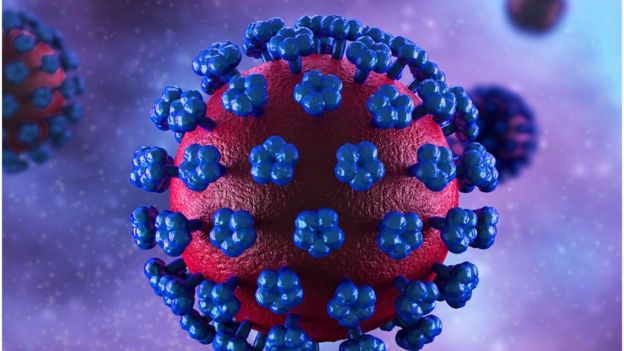
pregnant women in Dallas showing signs of Zika virus


10 pregnant women in Dallas showing signs of Zika virus

Ten pregnant women in Dallas, Texas, are showing symptoms of Zika virus infection, according to health officials there.

Dallas County Health and Human Services said Tuesday that there are nearly a dozen total cases in North Texas, CBS Dallas-Fort Worth reported, but none were contracted in the U.S.

Local cases are cause for concern. The virus can be spread if an infected person is bitten by a certain type of mosquito that then goes on to bite other people. That's the way the disease spread from Brazil throughout Latin America and the Caribbean over the past year. The same type of mosquito is found in parts of the southern United States.

The Centers for Disease Control and Prevention will not confirm any diagnosis publicly until after the babies are born. The federal health agency confirmed in April that the Zika virus can cause a birth defect called microcephaly -- an underdeveloped brain at birth. It's the first time in history a virus transmitted by mosquito bite has been found to cause birth defects.

"What we're learning is that they have a severe form of microcephaly that is oftentimes associated with other problems in the brain that can be seen on imaging or CT scan or MRI's, that makes us really concerned," said the CDC's Dr. Sonja Rasmussen at the time.

The CDC made the determination based on mounting evidence from many studies. Images released by researchers in Brazil, where the virus is widespread, show severe brain damage in babies with microcephaly.

The Zika virus is typically spread by mosquitos. According to the CDC, as of June 9, 234 pregnant women in the U.S. have come up positive in lab tests for evidence of Zika virus infection. As of June 15, a total of 756 cases of Zika have been reported across the country -- all in people who contracted it abroad or through sexual contact with someone who traveled abroad.

Earlier this year, Dallas County health officials reported the first case of the Zika virus transmitted through sex. Those two patients have both since fully recovered.

Most of the Texas cases have come from Harris County, which includes Houston.

According to the CDC, only about 1 in 5 people infected with Zika actually become ill. The most common symptoms include a fever, a rash, joint pain and red eyes. Other common symptoms include muscle pain and headaches. The symptoms often last for up to a week. A blood or urine test can confirm Zika infection.

There is no medication to prevent or treat the Zika virus at this time. Anyone who is infected should get rest, drink plenty of liquids and take acetaminophen to help with fever and pain. The virus rarely results in hospitalization or death, but it is a great concern for pregnant women because of the risk of birth defects.

The CDC's recommendation for pregnant women is to avoid travel to areas where Zika virus is spreading, and for their partners who have traveled there to abstain from sex or use latex condoms.

People who live in or travel to areas where Zika infection is a risk should take steps to avoid mosquito bites. Wear long sleeves and long pants, stay in places with air conditioning and screens on doors and windows, and use EPA-registered insect repellents -- applying sunscreen before mosquito repellent, the CDC says.

source: www.cbsnews.com

Ohio Teen Dies from Brain-Eating Amoeba


Ohio Teen Dies from Brain-Eating Amoeba After Visiting North Carolina Water Park with Church Group

The U.S. National Whitewater Center in Charlotte, North Carolina.
Authorities are investigating the death of an Ohio teen who may have contracted a brain-eating amoeba during a visit to a popular North Carolina water park.

Lauren Seitz, 18, was visiting the U.S. National Whitewater Center in Charlotte during a trip with her church youth group on June 8.

Jim Wilson, senior pastor at Church of the Messiah United Methodist Church in Westerville, Ohio, told WCMH-TV that Lauren was among 32 students who went to North Carolina to sing at churches and nursing homes and visited the water park for fun.

The youth group returned home to Ohio on June 11, and Lauren died on June 19.

"She was an incredible person, so full of life," Wilson said of Lauren, a recent Westerville South High School graduate who was enrolled at Denison University. According to her obituary, she had declared a minor in music and planned to study environmental science.

Wilson added, “They had one day of recreation where they stopped at the U.S. Whitewater Center and went whitewater rafting and they had a grand day.”


The Whitewater enter, which is located on the Catawba River, is popular for kayaking and rafting and serves as a training facility for many Olympians.

Mitzi Kline, a spokeswoman for the Franklin County Department of Public Health Department in Ohio, confirmed that it was the brain-eating amoeba, according to The Columbus Dispatch in Ohio.

She could not immediately be reached for comment by PEOPLE.

Workers with the Centers for Disease Control arrived at the facility Wednesday to conduct an investigation that includes testing the water.

The scientific term for the amoeba Seitz contracted is primary amebic meningoencephalitis, an infection caused by Naegleria fowleri, which is an organism that does not cause illness if swallowed, but can be fatal if forced up the nose. It is naturally present in warm lakes during the summer.

Symptoms of PAM, which include fever, nausea, headache or vomiting and can progress into loss of balance, seizures and hallucinations, begin about five days after infection, according to the CDC. The disease typically causes death within about five days.

In a written statement, the North Carolina Department of Health and Human Services said, “The deceased’s only known underwater exposure was believed to be when riding in a raft with several others that overturned at the U.S. National Whitewater Center in Charlotte.”

At a news conference Wednesday, Mecklenburg County Health Director Marcus Plescia told reporters, “We think the Whitewater center is as safe as any body of open water. One of the things you have to realize is any time you go swimming in a lake or pond or any open water that’s not treated the way a swimming pool is treated, there are things in that water that can cause illness.”

In a written statement to PEOPLE, a spokesperson for the facility said, "The U.S. National Whitewater Center conducts water quality tests every week. Based on these tests and all available information, at all times, the USNWC has been in compliance with all required water quality standards and meets the requirements of all regulatory standards and authorities. Furthermore, the USNWC has requested additional testing specific to this issue in an abundance of caution. The USNWC is working closely with the Centers for Disease Control and the Mecklenburg County Health Department to investigate the matter further.”

Naegleria fowleri infections are rare. According to the CDC, fewer than 10 cases have been reported annually in the United State during the last 53 years. This amoeba can cause severe illness up to nine days after exposure. A person cannot be infected with Naegleria fowleri by drinking contaminated water and the amoeba is not found in salt water.

Lauren, who was the drum major in her high school’s marching band, was honored Tuesday night with a candlelight vigil.

Her parents, James and Heidi Seitz, established The Lauren Elisabeth Seitz Memorial Music Fund in their daughter’s honor.


source: people.com

Thursday, June 16, 2016

Risk of developing cancer


Findings show that hot drinks could increase the risk of developing cancer

Anyone who likes to curl up with a steaming hot drink should consider letting some of that warmth subside; drinking it could increase their risk of developing cancer.

In a review published today by the International Agency for Research on Cancer, the cancer agency of the World Health Organization, drinking very hot beverages was classified as “probably carcinogenic to humans.”

More specifically, the review by a panel of global experts stated that drinking beverages at temperatures above 65 degrees Celsius — 149 degrees Fahrenheit — could cause people to develop cancer of their esophagus, the eighth most common form of cancer worldwide.

Drinking tea, coffee or other hot beverages at this temperature can cause significant scald burns in the esophagus when they’re consumed and has previously been linked to an increased cancer risk in this part of the body.

These beverages are, however, commonly served above this temperature and according to the American Burn Association, skin contact with a liquid this hot can result in almost instantaneous burns if prolonged.

Getting hot


The findings come after a group of 23 international scientists analyzed all available data on the carcinogenicity of coffee, maté — a leaf infusion consumed commonly in South America and other regions — and a range of other hot beverages, including tea. They decided that drinks consumed at very hot temperatures were linked to cancer of the esophagus in humans.

Evidence for the findings was limited, but studies in China, Iran, Turkey and South America found positive associations between the risk of this form of cancer and temperatures at which drinks were consumed. Forms of tea, including the leaf infusion maté, are typically drunk at very high temperatures, above 70 degrees Celsius in these regions, according to the agency.

“These results suggest that drinking very hot beverages is one probable cause of esophageal cancer and that it is the temperature, rather than the drinks themselves, that appears to be responsible,” said Dr. Christopher Wild, director of the International Agency for Research on Cancer.

Individually, coffee and maté did not have conclusive evidence for any cancer-causing effects when served at cool or warm temperatures, meaning the drinks themselves were not classified as carcinogenic.

Esophageal cancer was responsible for approximately 400,000 recorded deaths worldwide in 2012, about 5% of all cancer deaths.

Though smoking and drinking alcohol are major causes of esophageal cancer, particularly in high-income countries, the majority of cases globally for this form of cancer occur in parts of Asia, South America and East Africa.

“[Here], drinking very hot beverages is common, and the reasons for this high incidence of this cancer are not well-understood,” Wild said.

The new classification puts consuming very hot drinks in the same risk group as exposure to substances such as lead, gasoline and exhaust fumes, which are also classified as “possibly carcinogenic” by the agency. Use of talcum powder on the perineal or anal regions of the body is also within this category.

Re-classifying coffee


The International Agency for Research on Cancer classified coffee as “possibly carcinogenic to humans” in 1991, based on limited evidence, but the increased number of studies and evidence available since then led to its re-evaluation during the review.

The group analyzed more than 1,000 studies and decided there was inadequate evidence for any cancer-causing effects linked to drinking coffee itself, away from the temperature at which it is served.

The report stated coffee was “not classifiable as to its carcinogenicity to humans.”

“Many epidemiological studies showed that coffee drinking had no carcinogenic effects for cancers of the pancreas, female breast and prostate, and reduced risks were seen for cancers of the liver and uterine endometrium,” the report said.

Evidence for any other cancers linked to drinking coffee was also inconclusive.

The National Coffee Association in the United States welcomed the new classification. “This is great news for coffee drinkers, and confirms evidence from an avalanche of studies by highly respected and independent scientists,” said National Coffee Association President Bill Murray. “Today we can brew or buy a cup with even more confidence thanks to science.”

The heat emanating from a coffee cup, or any hot drink, remains a risk and previous studies have suggested an optimal drinking temperature of 57.8 degrees Celsius — 136 degrees Fahrenheit — or below.

Consuming cancer


The findings come after a string of similar reports that link food and drink to cancer.

A 2015 study found that only 10% to 30% of cancers occur naturally in people’s bodies, suggesting that most cancers are, in fact, a result of environmental factors.

In October, the WHO announced results from a report that linked people eating processed meat, such as sausages and ham, to cancer. Based on evidence from hundreds of studies, processed meat was classified as carcinogenic to humans.

Unprocessed red meat was classified as probably carcinogenic.

Recent studies have linked Western diets with increased risk of colon and prostate cancer. Men eating mostly a Western diet were found to have 2.5 times the risk of dying from prostate cancer. A Western diet is typically considered to be low in fiber and high in refined sugars, saturated fats and animal protein.

This week, the Environmental Working Group released findings that more than 400 known cancer-causing chemicals have been found in the bodies of Americans during research studies.

After a review of more than 1,000 biomonitoring studies, the group found that up to 420 chemicals known or likely to cause cancer have been detected in blood, urine, hair and other human samples. Nine of these was identified to be above safety limits assigned by the U.S. Environmental Protection Agency and posing non-trivial cancer risks in most Americans, according to the review.

“The presence of a toxic chemical in our bodies does not necessarily mean it will cause harm, but this report details the astounding number of carcinogens we are exposed to in almost every part of life that are building up in our systems,” said Curt DellaValle, a senior scientist at the Environmental Working Group and author of the report. “At any given time, some people may harbor dozens or hundreds of cancer-causing chemicals. This troubling truth underscores the need for greater awareness of our everyday exposure to chemicals and how to avoid them.”


source: www.fox8.com

Monday, June 13, 2016

Spread of human disease from animals mapped


Spread of human disease from animals mapped.

Rats spread a variety of diseases, including Lassa fever

Scientists say they have developed a better way to predict how animal diseases can spill over into humans.

Their model for Lassa fever, which is spread by rats, predicts that there will be twice as many human cases of the disease in Africa by 2070.
The method can be applied to other disease threats such as Ebola and Zika, they say.
Like the Ebola virus, the Lassa virus causes haemorrhagic fever and can be fatal.
Lassa fever virus currently affects between 100,000 and one million people a year in western sub-Saharan Africa.
A rat found in parts of the continent can pass the virus to people.
Scientists led by Prof Kate Jones of the Centre for Biodiversity and Environment Research at UCL looked at about 400 known outbreaks of Lassa fever between 1967 and 2012.

Lassa fever

Lassa virus is carried by the Mastomys rat, which is found in parts of Africa.
The virus is passed to people through direct contact with infected rats by catching and preparing them for food, or by food or household items contaminated with rat droppings or urine.
The virus can also be transmitted through contact with body fluids of an infected person.
Around 80% of people with Lassa virus have no symptoms or have symptoms that mimic other illnesses, such as malaria.
Symptoms include fever, fatigue, nausea, vomiting, diarrhoea, headaches, abdominal pains, sore throat and facial swelling.
Source: World Health Organization
They developed a model to calculate how often people are likely to come into contact with disease-carrying animals and the risk of the virus spilling over.
It shows more areas of West Africa are at risk from Lassa fever spill-over events than previously thought.

Disease outbreaks

"Our model suggests that in future, it is likely to become a greater burden on local communities spreading to more areas with approximately twice as many spill-over events predicted by 2070," Dr Jones and colleagues from the University of Cambridge and the Zoological Society London report in the journal, Methods in Ecology and Evolution.
The method takes into account environmental change and the way human populations are expected to grow.
The projected increase in cases is largely due to climate change, with the rat that passes it to people (M. natalensis) thriving in hot and wet conditions, they say.
Meanwhile, growth in human populations in certain areas will mean more people coming into contact with the rodent.
"This model is a major improvement in our understanding of the spread of diseases from animals to people," explained Prof Jones.
Lassa fever virus

Lassa fever virusImage copyrightTHINKSTOCK
Image caption
Lassa fever virus
"We hope it can be used to help communities prepare and respond to disease outbreaks, as well as to make decisions about environmental change factors that may be within their control."

Investment need

More than 60% of emerging infectious diseases originate in animals.
As well as well-known threats such as Ebola and Zika, other diseases including Lassa fever already affect thousands of people and are expected to spread as the world warms.
"Our new approach successfully predicts outbreaks of individual diseases by pairing the changes in the host's distribution as the environment changes with the mechanics of how that disease spreads from animals to people, which hasn't been done before, " said co-researcher Dr David Redding of UCL.
The researchers say the model can be refined to include diseases such as Ebola and Zika.
Prof Jonathan Ball of the University of Nottingham, who was not involved in the research, said if the models hold true, then future climate change and population growth will significantly increase the number of Lassa fever outbreaks - and this is likely to be true for other infectious diseases.
"The threat of emerging and neglected diseases will not go away and we need to invest in research and global healthcare systems to ensure that we are ready to deal with these threats and their consequences," he said.
Follow Helen on Twitter.

source: www.bbc.com

Friday, June 10, 2016

Start your fast on a healthy note


Start your fast on a healthy note

While a well-balanced meal, made up of proteins, and good carbs and fats, is in order after a day’s fasting, it’s best to start with simple yet nutritious foods such as dates, watermelon and cucumber.


The Prophet Mohammed P.B.U.H favoured moderation when it came to eating. The Quran is abundant with examples of the Prophet promoting a healthy lifestyle and eating quality produce. He once said: “The worst vessel to fill is the stomach, but leave one-third for food, one-third for water, and one-third for air."

The Prophet’s diet, which consisted of simple, naturally occurring fruits and vegetables, has proven to have modern-day benefits as well, including maintaining a healthy heart and bones, ­improving digestion and reducing the risk of cancer.

Nabih Al Momaiz, a trained chef from Canada who runs ­Nabz&G, a Dubai-based healthy-food ­catering company, with raw-food chef Ghalia Alul, says people can easily adopt such a diet for overall well-being. “Today, Ramadan follows a cycle of deprivation and then overeating at iftar, but that isn’t what the Prophet Mohammed P.B.U.H proposed," says Al Momaiz.

“Also, in the Arab world there is a lot of emphasis on meat products during iftar and suhoor, when, in fact, there are Hadiths that say the Prophet Mohammed was more inclined to a vegetarian diet to stay healthy."

Here are five foods recommended by the Prophet Mohammed P.B.U.H, and why they should be on your plate at iftar and suhoor.

Dates

Dates.


Dates are mentioned 22 times in the Quran. According to the Hadiths, the Prophet used to break his fast with dates and water, before having a full meal. Muslims all over the world follow the Hadith that mentions the Prophet Mohammed ended his fast with two to three dates. The Prophet said: “Break your fast by eating dates as it is purifying" (Ahmad). Another Hadith mentions: a Muslim “should break his fast with dates, but if he cannot get any, then with water" (Abu Dawud).

After going without food and drink for several hours, the ­simple sugar and fibre in dates help ease the body into proper ­digestion at iftar, explains Al ­Momaiz. “After 14 to 16 hours, introducing food can shock the body," he says. “Dates help regulate the blood sugar and help wake up the digestive system."

The fibre in dates promotes ­colon health and is a good remedy for constipation. They help clean out the gastrointestinal system and reduce the risk of colitis, colon cancer and haemorrhoids.

Dr Anita Das Gupta, chief clinical dietitian at Burjeel Hospital, says the vitamins and minerals contained in dates make them a superfood. “Along with being high in fibre, dates provide a complete package of minerals, including magnesium, potassium, zinc and vitamins such as folate, A and K." The minerals support bone health and alleviate soreness. ­Potassium reduces the risk of a stroke and other heart-­related diseases.

Olive oil

Olive Oil


The Prophet ­Mohammed said: “Eat the olive oil and apply it ­[locally], since there is cure for 70 diseases in it, one of them is leprosy" (Abu Naim).

The most important benefit of adding olive oil to your meals is for heart health, says Banin Shahine, clinical dietician and nutrition fitness manager at Fitness First Middle East. “It is rich in monounsaturated fatty acids, which prevent heart diseases."

Shahine says the omega-9 fatty acid in the oil raises HDL, or good cholesterol, which prevents heart issues and reduces blood pressure. “People should not be afraid of eating good fats, and about two tablespoons of this oil is enough for a healthy diet."

More than 25 studies analysed by researchers at the Mario Negri Institute for Pharmacological Research in Italy also show that the regular consumption of olive oil can reduce the risk of cancers of the breast, respiratory tract and digestive tract.

Alul of Nabz&G says most chefs cook in olive oil because of its benefits, not just internally, but even for skin and hair. “Vitamins A and K are anti-­ageing vitamins that are found in olive oil," she says. Olive oil is also used for the treatment of skin ­issues and dry hair and nails.

Water­melon

Watermelon Slice


The Prophet used to pair dates with watermelon, saying: “The hotness of this substance [dates] neutralises the coolness of that [watermelon]" (Abu Dawud and Al Tirmidhi). He also encouraged women to eat watermelon during pregnancy for a healthy delivery.

“Watermelon is 92 per cent ­water and helps combat heat," says Alul. “It is easily digestible."

Watermelon is a phyto­nutrient that keeps the heart, bones and prostate healthy. Das Gupta says the low-calorie fruit is good for combating the heat and staying hydrated. “The lycopene and antioxidants, such as antho­cyanins, reduce inflammation and neutralise free radicals." The amino acid citrulline can reduce symptoms of arthritis and soreness. According to a study published in The Journal of Agricultural and Food Chemistry in 2013, athletes who were given watermelon juice before ­extreme workouts experienced less ­muscle soreness and better heart-rate recovery.

Honey

Honey


The Prophet was known to drink a glass of honey and water on an empty stomach. He considered honey to be shifa (having healing properties). One Hadith quotes the Prophet as saying: “If a person eats honey, a thousand remedies enter his stomach and a million diseases will come out."

Shahine says that honey is still used as a natural medicine for common ailments, such as throat irritation, because of its anti-inflammatory effects. A study by the American Academy of Paediatrics involving 300 children with an upper respiratory tract infection found that honey reduced night-time coughs and sleeplessness.

Alul says honey is a great substitute for sugar, and a better option in moderation for diabetics.

“The glucose in honey gets absorbed faster than sugar sources, so it gives a quick energy boost." With about 17 grams of carbo­hydrates in a table­spoon, honey can be added to workout shakes and meals during Ramadan.

She says desserts during Ramadan are often dressed in sugar syrup, which is bad for health. “People should try replacing sugary syrups with honey for sweetness. Even for diabetics, honey in small quantities can regulate blood sugar levels."

Shahine says the antioxidants and flavonoids in this natural sweetener support brain health. Honey is also used in beauty treatments, for acne, and on burn wounds as a disinfectant and to relieve sores. A 2005 study ­published in The British Journal of Surgery found that most participants who suffered from wounds and leg ulcers found relief and improvement with the topical ­application of honey.

Cucumber

Cucumber


In addition to watermelon, the Prophet would combine dates with cucumber to break his fast. Adding vegetables that are packed with nutrients and phytochemical substances, helps fight diseases and flush toxins.

“It is a good cleanser and detoxifier," says Shahine. “It is very high in fibre and will keep you full for longer without adding significantly to your daily calories."

Cucumbers are also a source of magnesium and potassium that promote bone health. The vitamin K in the vegetable helps in blood clotting, while the vitamin C boosts immunity.

Alul says a cucumber salad would make for a light meal ­during iftar. “Cucumber is mostly water, so it restores hydration after a long fast."


source: www.thenational.ae

Wednesday, June 8, 2016

Pacemaker patients warned not to linger too long in shops as anti-theft systems can interfere with devices


Pacemaker patients warned not to linger too long in shops as anti-theft systems can interfere with devices

Experts warned prolonged exposure to the in-store devices can cause pacing therapy to drop beats

Doctors must warn patients with pacemakers that their devices may be disrupted by anti-theft systems used in shops, experts have said.

Many patients are unaware that electronic anti-theft systems, also known as electronic article surveillance (EAS) systems, can pose a threat to people using cardiac devices, they said.

Prolonged exposure to the in-store devices can cause pacing therapy to drop beats and cause implantable defibrillators (ICDs) to deliver inappropriate shocks, experts told the Cardiostim EHRA Europace 2016 conference in Nice, France.

While previous warnings have been issued, many patients are unaware of the problem, they said.

Some of the anti-theft devices are hidden under floors, in walls and in doors, while traditional pedestal systems in doorways are often covered by advertising sleeves.

A new study, presented by Professor Robert Stevenson, senior scientist at Greatbatch Medical in Santa Clarita, California, US, examined pacemakers against an array of anti-theft devices.

Traditional pedestal systems interfered with cardiac device functioning, especially when the devices were in prolonged close proximity, they found.

In particular, they raised concerns about patients standing in close to EAS pedestals and toddlers with pacemakers crawling over sub-floor systems.
The US study examined pacemakers against an array of anti-theft devices CREDIT: ALAMY


Professor Stevenson added: "Doctors must educate patients about the potential dangers of EAS systems as many have never been warned not to lean or linger in retail store entrances. It is particularly important that patients do not sit or slouch in a chair or couch in store entry areas.

"Electronic anti-theft systems are a part of everyday life, with more than 800,000 pedestals alone installed worldwide. Patients are safe if they walk at a constant pace through the system.

"EAS gates that are obscured with advertising or goods for sale, or hidden in the floor with couches or chairs adjacent, are a serious concern and EAS manufacturers have a responsibility to ensure that retailers install them in such a way that they are visible and well marked."

Co-author Dr Rod Gimbel, an electrophysiologist at Case Western Reserve University in Cleveland, Ohio, US, said: "Cardiac implantable electronic devices (CIEDs) are critical to patients' health.

"Pacemakers provide pacing support, without which there would be no heartbeat at all for a pacemaker-dependent patient. ICDs deliver pacing or shocks to rescue patients from potentially life-threatening arrhythmias.

"We tell patients 'Don't linger, don't lean' but that advice is hard to follow when systems are invisible. To make matters worse, advertising draws patients closer to the pedestals.

"Some shops have placed camouflaged pedestals next to a chair or in a checkout line, so patients may be next to them for some time, and sofas are put on top of under-floor systems, encouraging patients to sit for long periods."


source: www.telegraph.co.uk

Tuesday, June 7, 2016

Natural Depression Treatments


Natural Depression Treatments.


Being depressed can make you feel helpless. You're not. Along with therapy and sometimes medication, there's a lot you can do on your own to fight back. Changing your behavior -- your physical activity, lifestyle, and even your way of thinking -- are all natural depression treatments.

These tips can help you feel better -- starting right now.

1. Get in a routine. If you’re depressed, you need a routine, says Ian Cook, MD. He's a psychiatrist and director of the Depression Research and Clinic Program at UCLA.

Depression can strip away the structure from your life. One day melts into the next. Setting a gentle daily schedule can help you get back on track.

2.Set goals. When you're depressed, you may feel like you can't accomplish anything. That makes you feel worse about yourself. To push back, set daily goals for yourself.


"Start very small," Cook says. "Make your goal something that you can succeed at, like doing the dishes every other day."

As you start to feel better, you can add more challenging daily goals.

3. Exercise. It temporarily boosts feel-good chemicals called endorphins. It may also have long-term benefits for people with depression. Regular exercise seems to encourage the brain to rewire itself in positive ways, Cook says.

How much exercise do you need? You don’t need to run marathons to get a benefit. Just walking a few times a week can help.

4. Eat healthy. There is no magic diet that fixes depression. It's a good idea to watch what you eat, though. If depression tends to make you overeat, getting in control of your eating will help you feel better.

Although nothing is definitive, Cook says there's evidence that foods with omega-3 fatty acids (such as salmon and tuna) and folic acid (such as spinach and avocado) could help ease depression.

5. Get enough sleep. Depression can make it hard to get enough shut-eye, and too little sleep can make depression worse.

What can you do? Start by making some changes to your lifestyle. Go to bed and get up at the same time every day. Try not to nap. Take all the distractions out of your bedroom -- no computer and no TV. In time, you may find your sleep improves.

6. Take on responsibilities. When you’re depressed, you may want to pull back from life and give up your responsibilities at home and at work. Don't. Staying involved and having daily responsibilities can help you maintain a lifestyle that can help counter depression. They ground you and give you a sense of accomplishment.

If you're not up to full-time school or work, that’s fine. Think about part-time. If that seems like too much, consider volunteer work.

7. Challenge negative thoughts. In your fight against depression, a lot of the work is mental -- changing how you think. When you're depressed, you leap to the worst possible conclusions.

The next time you're feeling terrible about yourself, use logic as a natural depression treatment. You might feel like no one likes you, but is there real evidence for that? You might feel like the most worthless person on the planet, but is that really likely? It takes practice, but in time you can beat back those negative thoughts before they get out of control.

8. Check with your doctor before using supplements. "There's promising evidence for certain supplements for depression," Cook says. Those include fish oil, folic acid, and SAMe. But more research needs to be done before we'll know for sure. Always check with your doctor before starting any supplement, especially if you’re already taking medications.


9. Do something new. When you’re depressed, you’re in a rut. Push yourself to do something different. Go to a museum. Pick up a used book and read it on a park bench. Volunteer at a soup kitchen. Take a language class.

"When we challenge ourselves to do something different, there are chemical changes in the brain," Cook says. "Trying something new alters the levels of [the brain chemical] dopamine, which is associated with pleasure, enjoyment, and learning."

10. Try to have fun. If you’re depressed, make time for things you enjoy. What if nothing seems fun anymore? "That's just a symptom of depression," Cook says. You have to keep trying anyway.

As strange as it might sound, you have to work at having fun. Plan things you used to enjoy, even if they feel like a chore. Keep going to the movies. Keep going out with friends for dinner.

When you're depressed, you can lose the knack for enjoying life, Cook says. You have to relearn how to do it. In time, fun things really will feel fun again.


source: webMD